
01
Operational reporting
Generate and publish more reliable reports with less manual handling.
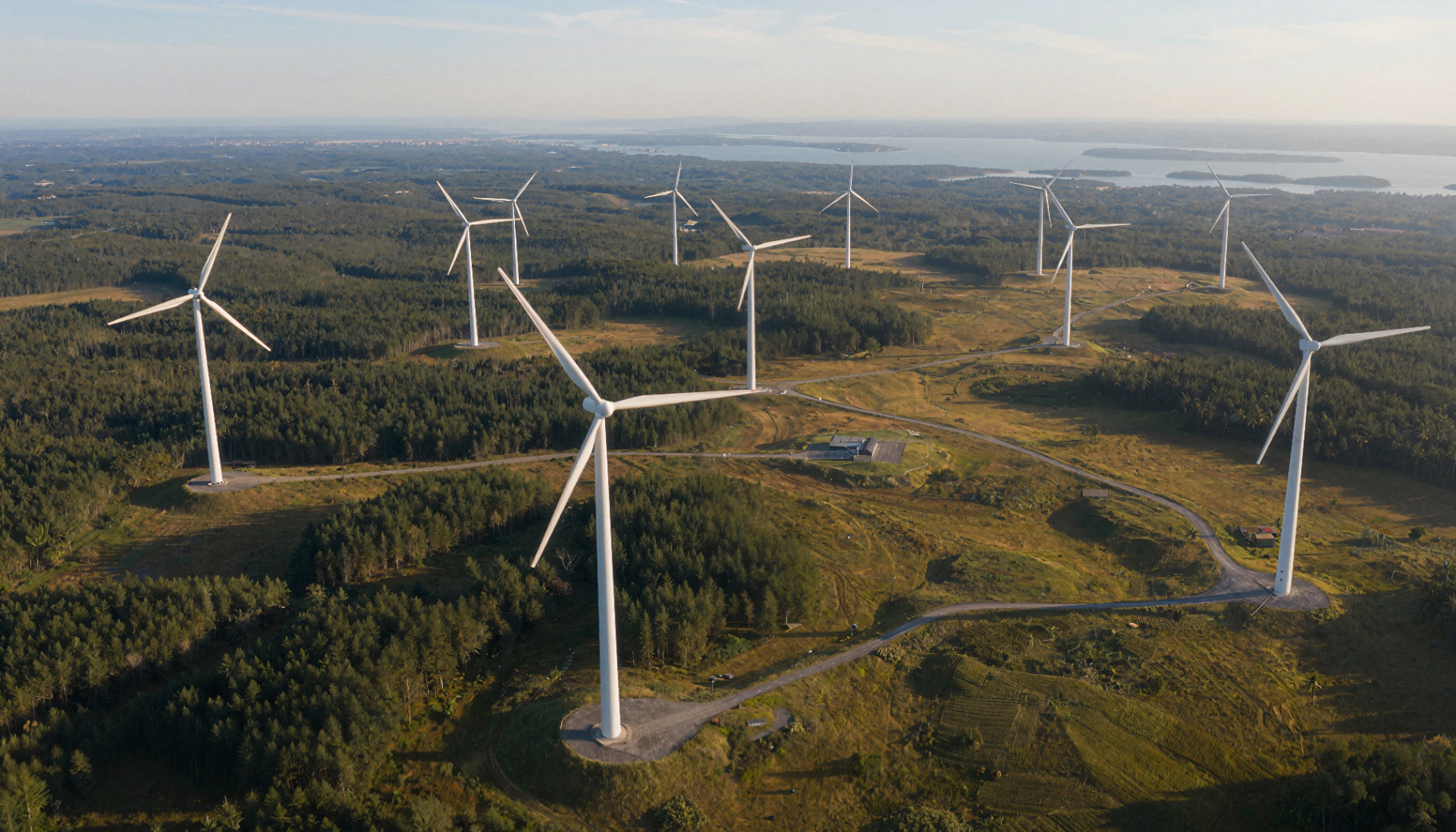
Energy
aCurve helps energy teams turn data from multiple systems into a clearer operational view. Detect deviations earlier, improve reporting and gain better control in environments where stability and availability matter every day.
The challenge
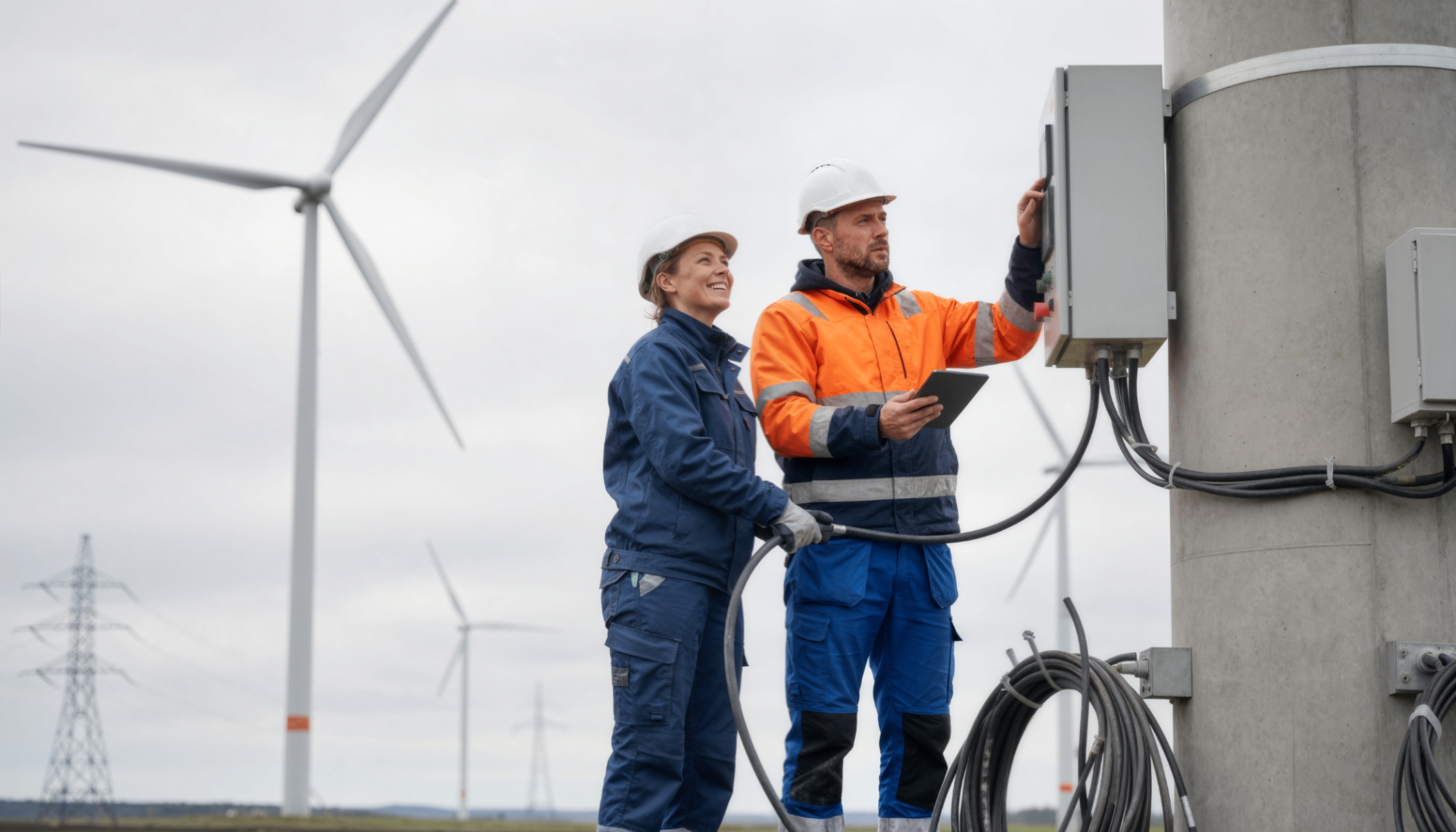
Energy operations are becoming harder to oversee in a simple way. Data comes from multiple systems, sites and production contexts, while the conditions behind supply and demand are changing faster than before. Teams need to maintain control in environments where stability, availability and timely response matter, but the underlying data is often fragmented. To act with confidence, they need a more reliable way to connect, share and interpret what is happening across the operation.
Explore the operation
Hover or tap the points to explore where aCurve connects, structures and turns operational data into a clearer view.
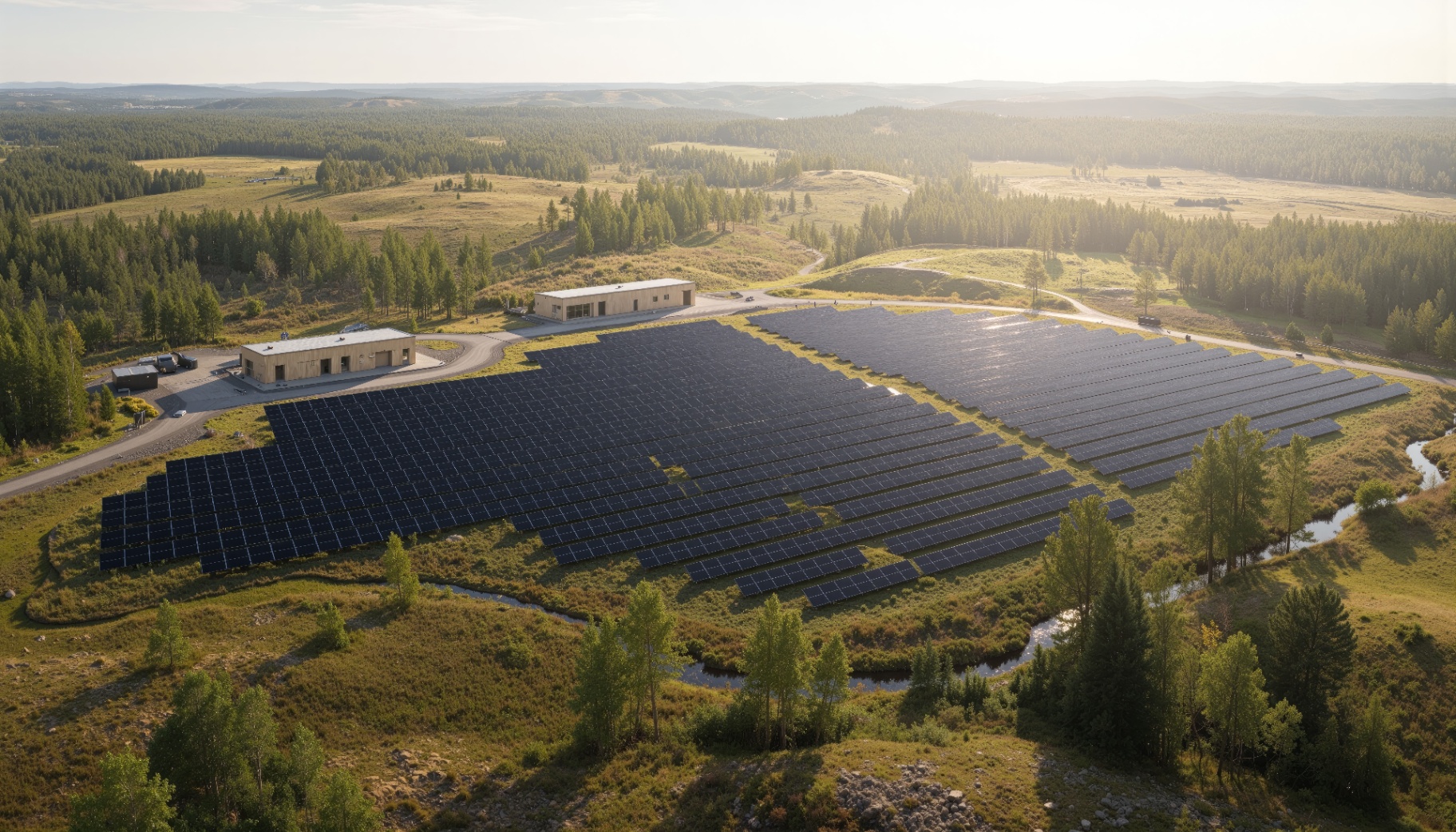
Link key signals, equipment and operating flows into one shared operational view. aCurve helps energy teams connect data, make it easier to use across teams and understand how the operation is performing over time.
The result is earlier visibility into deviations, easier reporting and a clearer basis for day-to-day decisions in a more complex energy landscape.
Typical use cases in Energy
aCurve supports day-to-day workflows where reliable data, faster follow-up and better operational control matter. It helps energy teams bring together fragmented information and turn it into a clearer basis for reporting, analysis and action.
01
Generate and publish more reliable reports with less manual handling.
02
Compare current signals with expected patterns and surface changes earlier.
03
Follow trends over time and understand what affects stability and output.
04
Detect gaps, anomalies and inconsistent values before they affect analysis.
05
Monitor asset behaviour over time and identify signs of drift or wear.
06
Use real-time and historical data to reduce stoppages and support earlier action.
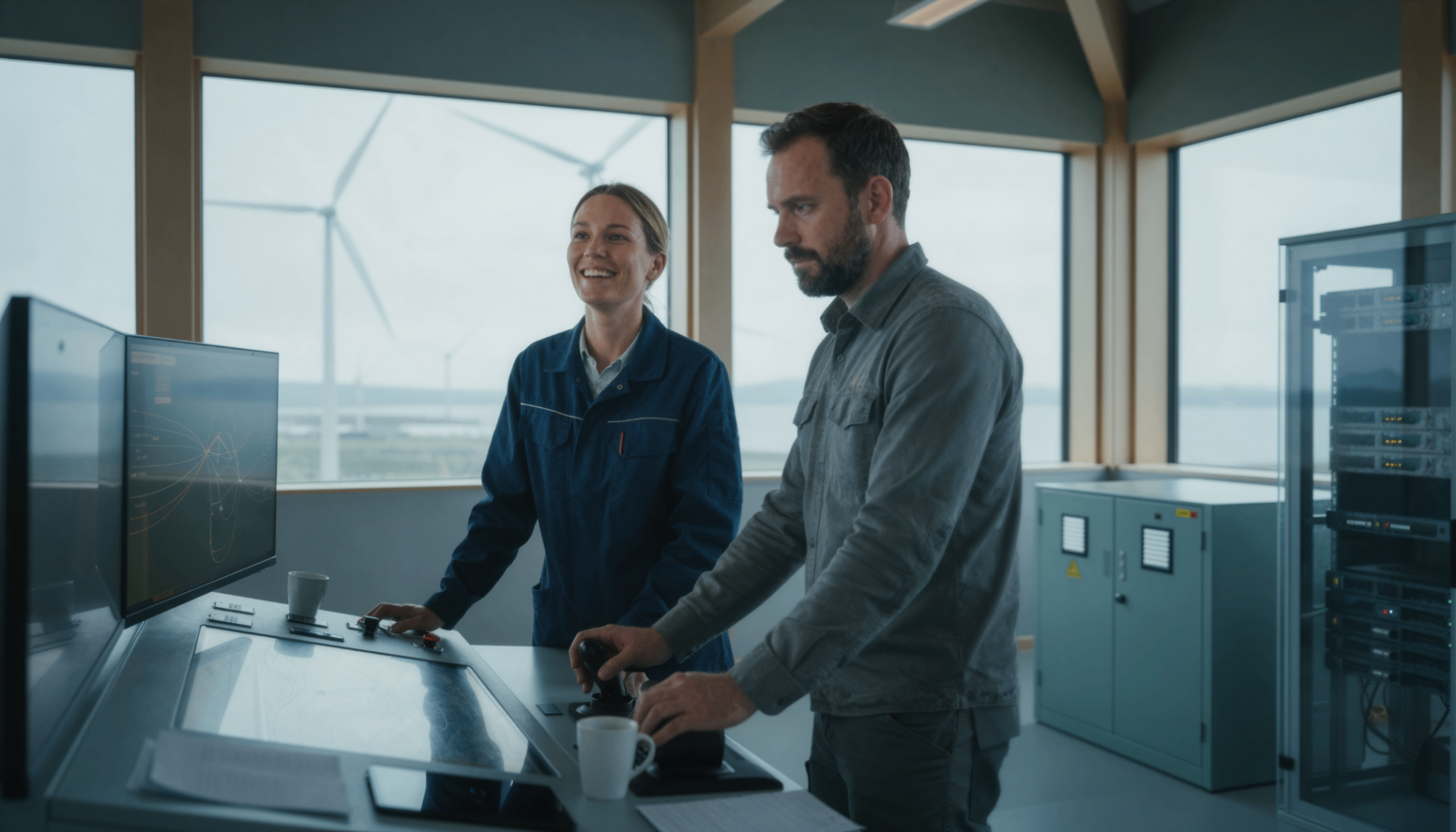
See what's happening. Understand why. Improve what matters.
Bring together data from SCADA, historians, lab systems and IoT sources.

Explore trends, correlations and anomalies with powerful self-service analytics.

Turn insights into better decisions, higher efficiency and improved process performance.
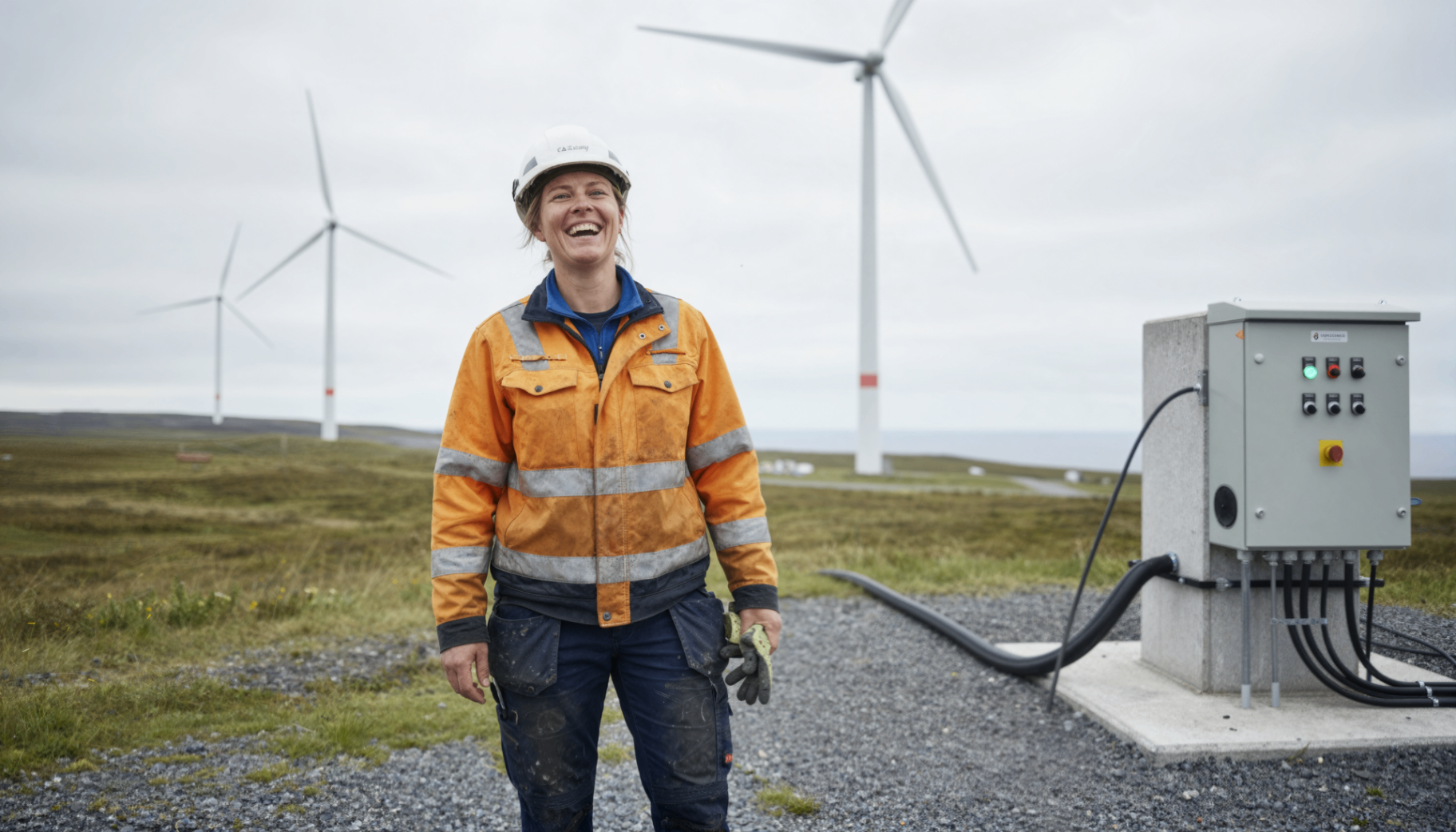
Outcomes that support energy operations
aCurve connects data from different systems into a shared operational view. Teams can compare trends, spot deviations earlier and work from a common understanding across sites and systems.
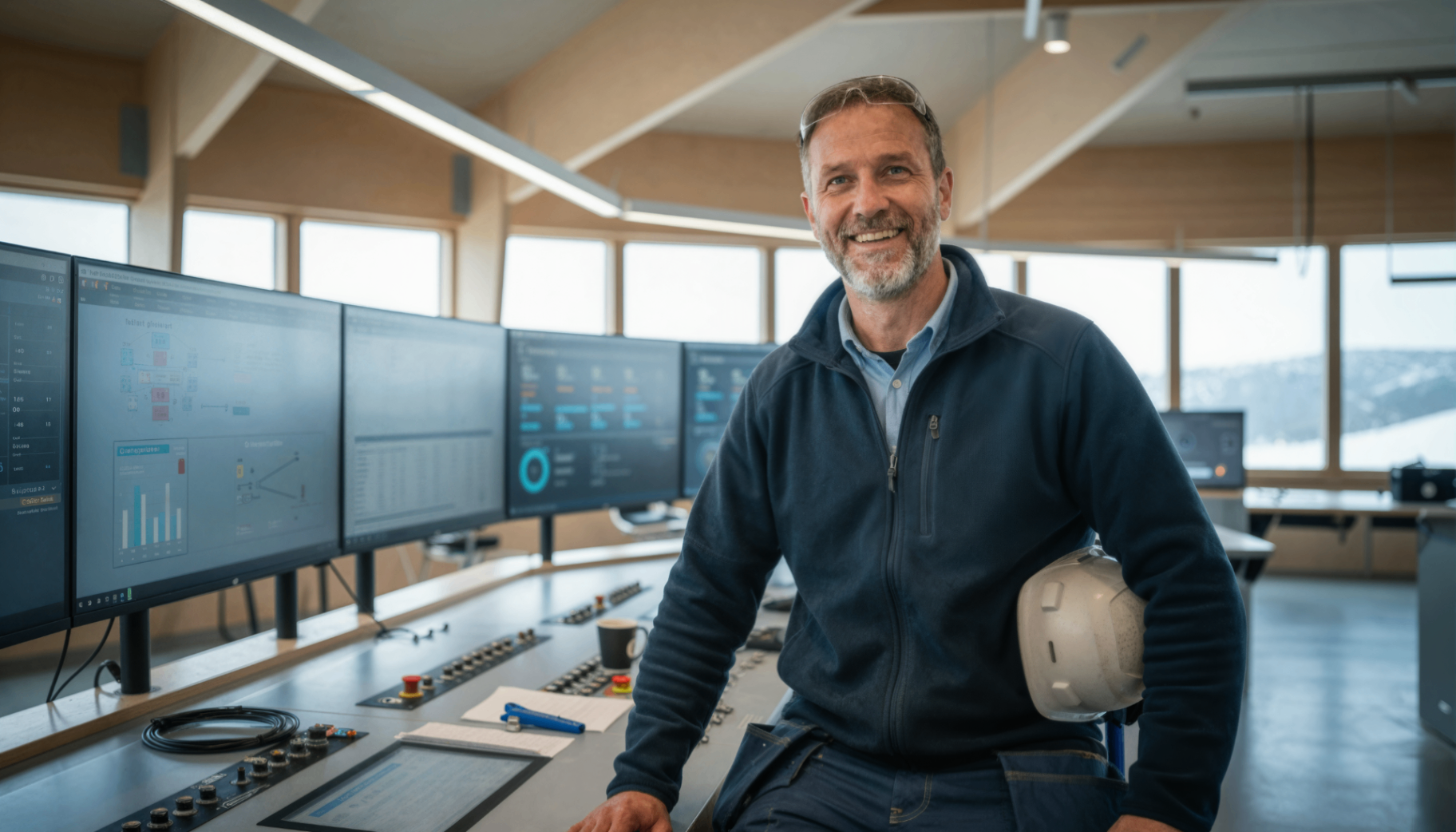
Outcomes that support energy operations
By comparing current data with expected patterns, aCurve helps teams detect changes before they become larger operational problems. This supports faster follow-up and a more confident response in environments where stability matters.
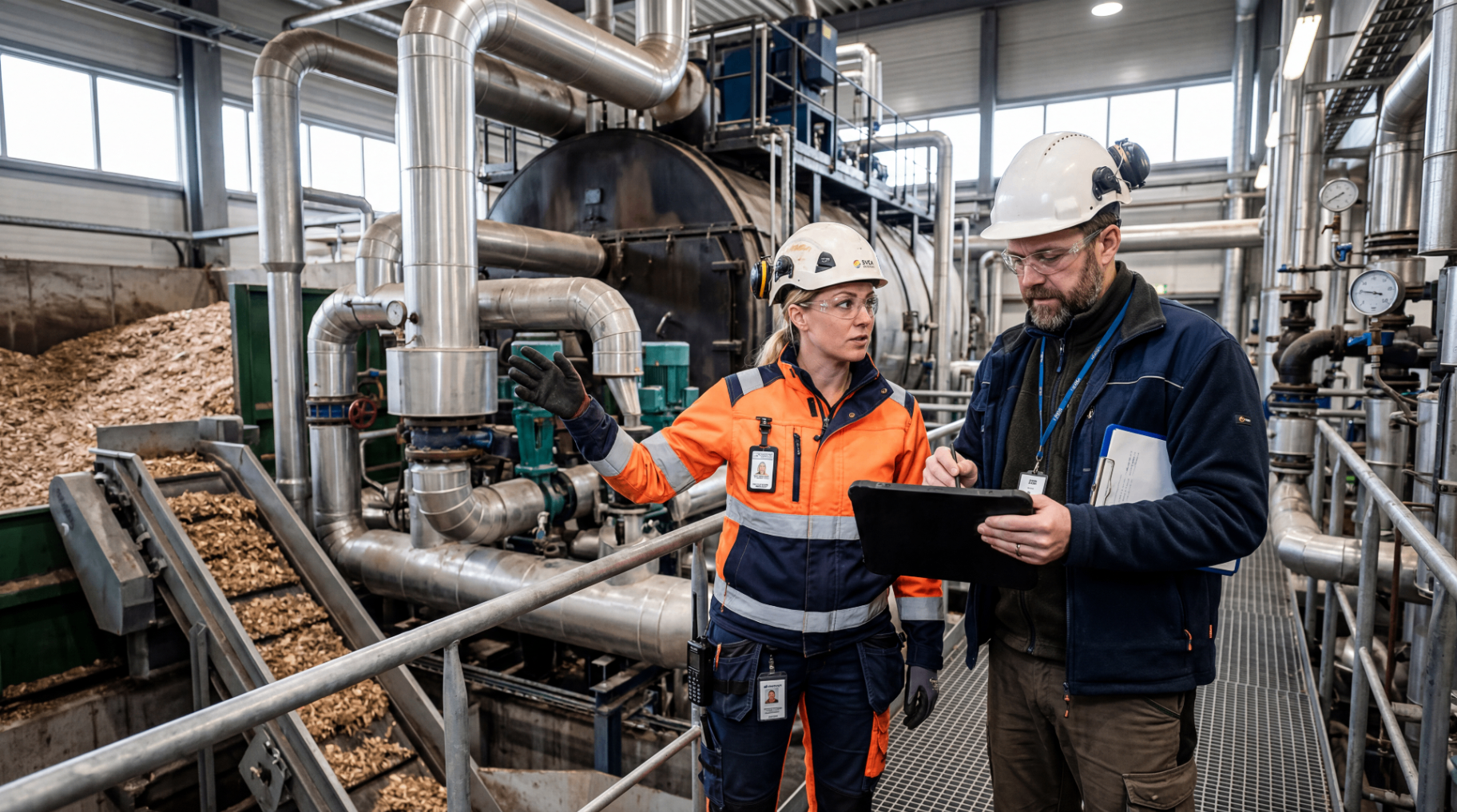
Outcomes that support energy operations
aCurve makes it easier to understand how signals, equipment and operating conditions evolve over time. With a clearer operational overview, teams can work more systematically with continuity, performance and improvement.
What teams say about aCurve
aCurve gives us a powerful tool with unlimited possibilities to both process and create reports of data.
Michael Medóc
Process Engineer
Käppala Association, Stockholm Sweden.
Trust in energy operations is built over time. It depends on secure access to data, clear governance, reliable processes and support that helps teams maintain control in daily operations. aCurve is designed to provide a stable foundation for long-term use in environments where stability, availability and operational continuity matter.
Support controlled access, clearer responsibility and reliable handling of operational data.
Built to help teams work from more consistent data and more dependable routines over time.
Supported by training, guidance and ongoing support to help organisations work with confidence in daily operations.
Explore more industries
Explore how aCurve helps teams connect, structure and act on operational data across different environments.